
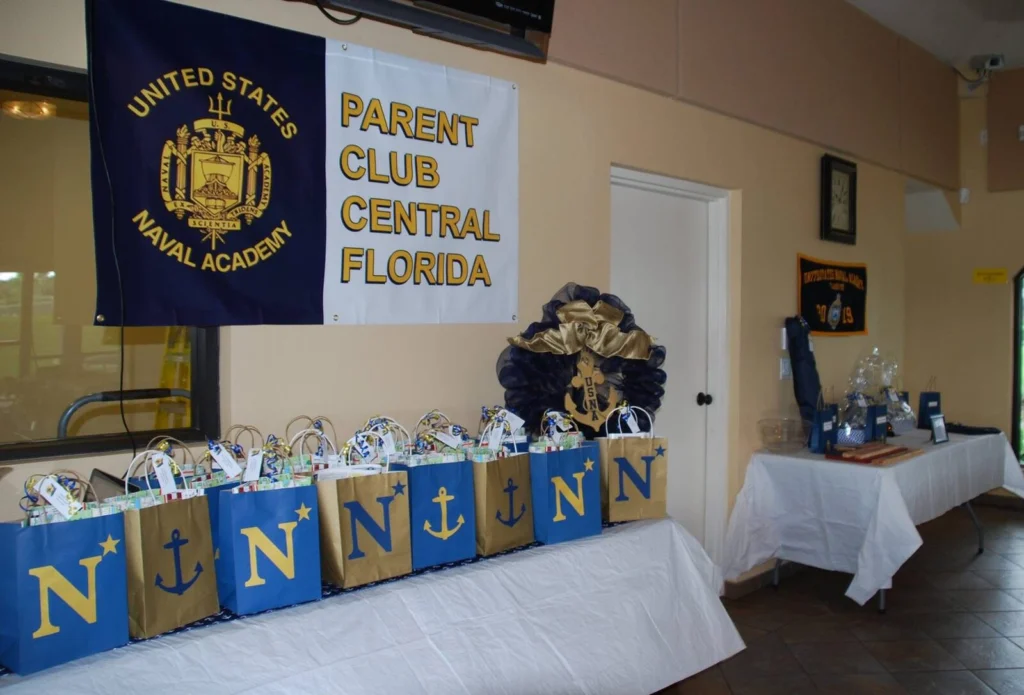
Where do you even start? This is the timeline and the honest version of what we wish someone had handed us on day one: nominations, essays, the fitness test, and the whole arc from sophomore year to appointment day. Official requirements and dates come from usna.edu, linked throughout, because those change and we would rather send you to the source than guess. The nomination process itself runs through your own congressional offices; once you know which ones cover you, their websites are the place to start.
Start early: the four-year arc
Applying to USNA can begin as early as sophomore year, and the earlier you start paying attention, the less scrambling you do later. Sophomore year is about the basics: grades, a fitness habit, and real leadership and activities, not just ones that look good on paper. Junior year is where the machine starts moving. In the winter of junior year, the Summer Seminar application opens for a one-week summer program on the Yard. In the spring of junior year, the preliminary application opens: USNA’s own language says it is open to anyone who “will be a senior in high school next year,” meaning it starts while your candidate is still a junior. That preliminary application generates the candidate number everything else runs through.
The summer before senior year is nomination season. USNA’s guidance is blunt: apply for nominations “immediately after you complete your preliminary application,” and do not wait for a nomination to arrive before starting the full application. Senior fall is when the pieces come together: the Blue and Gold Officer interview, the Candidate Fitness Assessment, the medical exam, and the congressional nomination applications, each on its own office’s deadline. The full USNA application is due around January 31, though the exact date moves year to year, so check the current date on usna.edu rather than trust a number a parent tells you at a club meeting, including us. Most candidates hear back by mid-April, and appointees confirm by May 1.
A season-by-season Florida timeline
This is a season-by-season view built from the dates and windows usna.edu publishes today, grouped because most of sophomore and junior year does not have a single fixed date attached to it. The board has a more detailed month-by-month version in progress and will drop it into this table once it is ready, so treat this as the honest starting point, not the final word. Florida nomination deadlines: our congressional offices publish theirs each fall, and every office is different, so check each office’s page directly once you know which ones you are eligible for.
| Month | What to do | Who | Link |
|---|---|---|---|
| Sophomore year, spring (Jan–Jun) | Build the record early: keep grades strong, start a fitness routine, look for real leadership and activities. | Candidate | USNA Admissions |
| Junior year, fall (Aug–Dec) | Keep grades and fitness up. Consider a Candidate Visit Weekend if invited, it is a real overnight on the Yard. | Candidate and family | Candidate Visit Weekend |
| Junior year, winter (Nov–Jan) | Apply for Summer Seminar, a six-day live-on-campus program for juniors. | Candidate | Summer Seminar |
| Junior year, spring (Feb–May) | Preliminary application opens. This is what generates your candidate number. | Candidate | Steps for Admission |
| Summer before senior year (Jun–Aug) | Request nominations from every source you are eligible for. Do not wait for one to arrive before continuing the application. | Candidate and family | Nomination Sources |
| Senior year, fall (Sep–Nov) | Contact your Blue and Gold Officer, complete the Candidate Fitness Assessment and medical exam, submit congressional nomination applications on each office’s own deadline. | Candidate | Steps for Admission |
| Senior year, winter (Dec–Jan) | Full application deadline, usually around January 31. Confirm the exact date on usna.edu. | Candidate | Steps for Admission |
| Senior year, spring (Feb–May) | Most candidates hear back by mid-April. Appointees confirm acceptance by May 1. | Candidate and family | Steps for Admission |
Nominations, in plain words
A nomination is permission to be considered. USNA cannot appoint anyone without one, and getting a nomination does not mean you are in, it means your file goes into the pool. USNA’s own page is clear that “you do NOT need to know the source personally in order to receive a nomination,” so do not let not having a connection stop you from applying.
The sources open to any U.S. citizen are each of Florida’s two U.S. Senators and your U.S. Representative, plus the Vice President, and each can nominate up to five people per vacancy, so this is genuinely reachable, not a long shot reserved for someone with connections. There are also service-connected and restricted categories: a Presidential nomination for children of career military (active or reserve), a category for children of deceased or disabled veterans and POW or MIA service members, one for Navy and Marine Corps enlisted personnel, and one for JROTC and ROTC units. Children of Medal of Honor recipients qualify automatically. USNA’s guidance is to apply to every source you are eligible for, not just one. Each congressional office runs its own process on its own deadline, usually sometime in the fall and different for every office, so once you know which representative and senators cover you, go straight to each of their websites and follow their instructions exactly.
The application pieces
- Transcripts. Your candidate’s high school counselor uploads the official transcript through the portal, or mails it. This is one of the easiest pieces to fall behind on simply because it depends on someone else’s to-do list, so follow up with the counselor directly.
- Test scores. SAT, ACT, or the Classic Learning Test, whichever your candidate takes, needs to be completed before January 31 to count, even if USNA receives the official results after that date. USNA’s school codes are 5809 for the SAT and 1742 for the ACT.
- The Candidate Fitness Assessment. Six events, all in one sitting, in under 40 minutes: the kneeling basketball throw, cadence pull-ups (or a flexed-arm hang if pull-ups are not yet possible), the shuttle run, abdominal crunches, push-ups, and a one-mile run. It has to be administered by a PE teacher, a coach, a JROTC instructor, an active-duty officer, or your Blue and Gold Officer, not self-reported.
- The medical exam and DoDMERB. DoDMERB is the Department of Defense Medical Examination Review Board, and it schedules and reviews the physical your candidate needs before appointment. If something in the exam would normally disqualify a candidate, a waiver is USNA’s medical reviewers deciding to clear that candidate anyway, usually after your own doctor sends additional documentation. A waiver is common and not a red flag by itself, but it does take extra time, so do not wait to schedule the exam.
- Recommendations. USNA’s evaluation formula specifically includes recommendations from your candidate’s math and English instructors, their Blue and Gold Officer, and others who know their leadership and character. Ask early and give the recommender real time, not a two-week scramble.
- The written portion of the application. The candidate portal asks for short written responses about your candidate’s background, goals, and activities. USNA does not label this a separate “personal statement” step the way a lot of colleges do, but it feeds directly into the leadership and activities part of the file, so it deserves the same real drafting and editing time as any college essay.
- The Blue and Gold Officer interview. A BGO is a volunteer, usually a USNA graduate, a parent of a midshipman or graduate, or another community member trained by USNA to interview local candidates. USNA’s instruction is to contact your assigned BGO “immediately upon receipt of your official candidate number,” and their contact information shows up on the Candidate Portal under Points of Contact. If you cannot find who your BGO is, USNA’s BGO Team can be reached at 410-293-1814.
What helps
Summer Seminar and a Candidate Visit Weekend both put a candidate on the Yard before they ever commit to applying, and both feed real detail into the interview and the essays, because “I want to go to USNA” sounds a lot more convincing once your candidate can describe what a day there actually feels like. Real athletic competition, real leadership roles rather than titles, and consistency over years all matter more than any single résumé line.
The Central Florida angle: our club’s Blue and Gold Officers and board members have sat on the other side of this process, and our events are open to candidate families before an appointment ever happens, not just after. If your family is in the middle of an application, or your candidate already has an appointment letter in hand, look at our Membership page for the Affiliate and appointee categories built for exactly that stage.
If it does not work the first time
A first-time rejection is not the end of the file. USNA builds two real second chances into the process. For enlisted candidates, the Naval Academy Preparatory School, NAPS, is a 10-month college-preparatory program, and military candidates who are not admitted are automatically considered for it, with some civilian candidates offered a NAPS year too. For civilian candidates, the Naval Academy Foundation is a nonprofit that sponsors a year of post-secondary preparatory study for strong candidates who were not appointed, and USNA’s Admissions Board automatically reviews every applicant for Foundation consideration, no separate request needed. Both paths exist to let a candidate strengthen their record for a year and reapply. College ROTC, at a school your candidate would otherwise attend, is another real path into a Navy or Marine Corps commission if USNA does not work out at all. None of these are consolation prizes. Plenty of commissioned officers, including some of our own BGOs, came through NAPS or the Foundation.
What nobody told us
- Keep one folder with every login. The candidate portal, the DoDMERB portal, each congressional office’s own site, the Foundation, Summer Seminar, all separate logins, all separate passwords. Write them down in one place the day you create each one.
- Calendar every deadline the day the form opens, not the day it is due. Congressional nomination deadlines especially: some offices close in October, not January, and that catches families off guard every year.
- The nomination interview is a real interview. A congressional nomination panel is not a formality. Candidates should prepare for it the same way they prepare for the BGO interview, with real answers about why USNA and why the Navy or Marine Corps, not a rehearsed line.
- The CFA is trainable, and training it matters. A candidate who has never done a flexed-arm hang or a shuttle run cold will not perform like one who practiced the actual six events beforehand. Do a practice run with an actual timer weeks before the real one.
- The waiting is the hardest part, and it is not personal. Nomination notifications trickle in through January, and a lot of candidates hear nothing for months and then everything in a two-week window. Silence is normal, not a bad sign.
Last reviewed August 2026. Parent perspective, not an official USNA publication. Facts and dates sourced from usna.edu; verify current requirements and deadlines there before you rely on them.